


“Competition Is My Dopamine—And I’m Open to Doing It Again.”
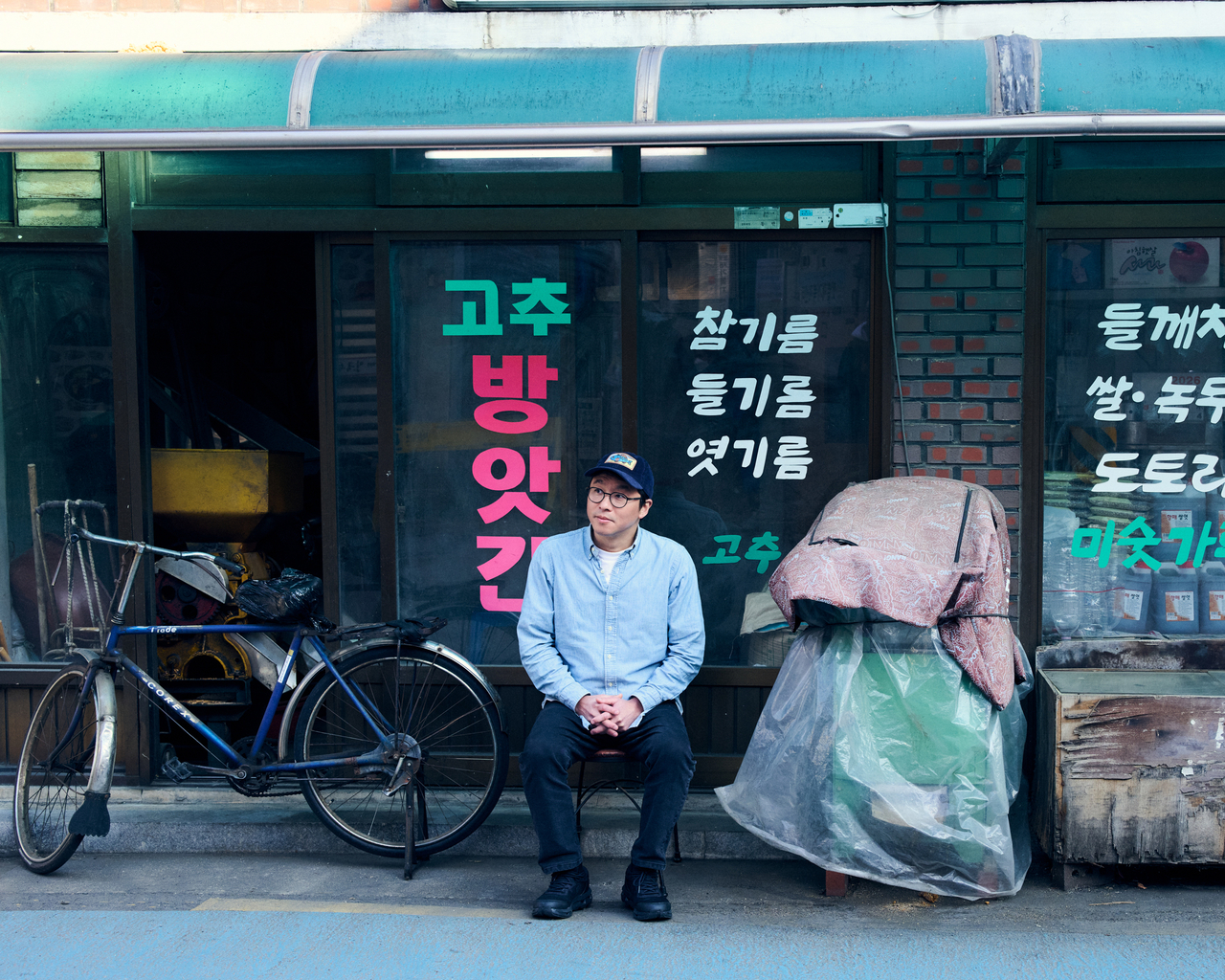
For Choi Kang-rok, the winner of Culinary Class Wars Season 2, the true “finish line” of the competition was not the final round, but the team battle.
In a recent roundtable interview for Netflix’s Culinary Class Wars Season 2, held at a cafe in Jongno, Seoul, Choi named the team mission as both the most challenging and the most rewarding part of the show.
“At the beginning of the competition, my goal was simply not to get eliminated,” he said. “But by the time we reached the team battle, my mindset was, ‘Let’s win this round.’ In a way, that was my personal final.”
He added, “Once we passed that stage, I thought, ‘I’ll deal with what comes next when the time comes.’”
Recalling the experience, Choi explained, “The three team battles were all closely connected, so even when you weren’t actively competing, you still felt the thrill of working as a unit. But it was also extremely exhausting. I went home and fell asleep right away.”
Having appeared on MasterChef Korea 2 as well as Culinary Class Wars Seasons 1 and 2, Choi is no stranger to competitive cooking shows. When asked what these competitions mean to him, he replied, “The best way I can describe it is ‘a dopamine recharge.’ It really does energize me.”
He continued, “There aren’t many chances in life to stand on such a big stage. So if the opportunity comes, I think it’s worth taking. That’s why I always tell people around me, ‘If there’s a major competition, you should try it at least once.’”
Addressing common misconceptions, he added, “People often ask if there’s a script. I tell them, ‘You’ll understand if you try it yourself.’ Some friends who followed my advice later told me, ‘It must have been really tough,’ which says a lot.”
As for whether he would compete again, Choi reflected on the influence of senior chefs. “In Season 1, seeing Chef Yeo Kyung-rae helped me let go of the fear of losing. In Season 2, I felt the same way watching Chef Hudeokjuk. I found myself imagining that, 10 or 20 years from now, I might still be active like them—and maybe even compete as a senior figure like they did.”
In today’s fast-paced culinary trends, quick and high-heat cooking methods dominate, while slow-braised dishes have become less common. This contrast mirrors Choi’s calm, unhurried image.
When asked about his cooking philosophy, he said modestly, “When people ask, ‘What is cooking?’ I like to say it’s an art created by time and patience. For me, braising fits that idea best, which is why I often cook that way.”
Still, he admitted to admiring other styles. “I’m honestly envious of the dynamic energy in Chinese cuisine,” he said. “Japanese cuisine is often called the ‘cuisine of water’ because of its calm, restrained nature, while Chinese cuisine is known as the ‘cuisine of fire.’ Deep down, I think I want to cook with fire.”
Culinary Class Wars Seasons 1 and 2 are now streaming on Netflix.
Reported by Herald Muse Staff Writer Kim Min-ji
Reviewed and edited by Herald Muse Team Leader Kim Hae-yeon
als@heraldcorp.com


![[뮤즈★]이수만이 또 찾아온 보아·제시카..닮은꼴 A20 라이트 아이찡·오아 화제](https://wimg.heraldcorp.com/news/cms/2026/10/13/news-p.v1.20261012.71324ddb9eed4e70bf6fc37d931629e4_T1.jpg?type=h&h=640)